Skip to content
  • Young in the Mountains Young in the Mountains
  • Shop
    • All ready to ship jewelry
    • Custom rings : within 7 weeks
  • process
    • Artistry
    • Sourcing
  • story
    • About us
    • Our mission
    • Ethics
Young in the Mountains Young in the Mountains
  • Book Appointment
  • Log in
  • 0 Cart (0 items)
ALL POSTS

Exploring The Evolution Of Jewelry Making Through History

We are proud to be continuing in the steps of the lapidary artists before us.
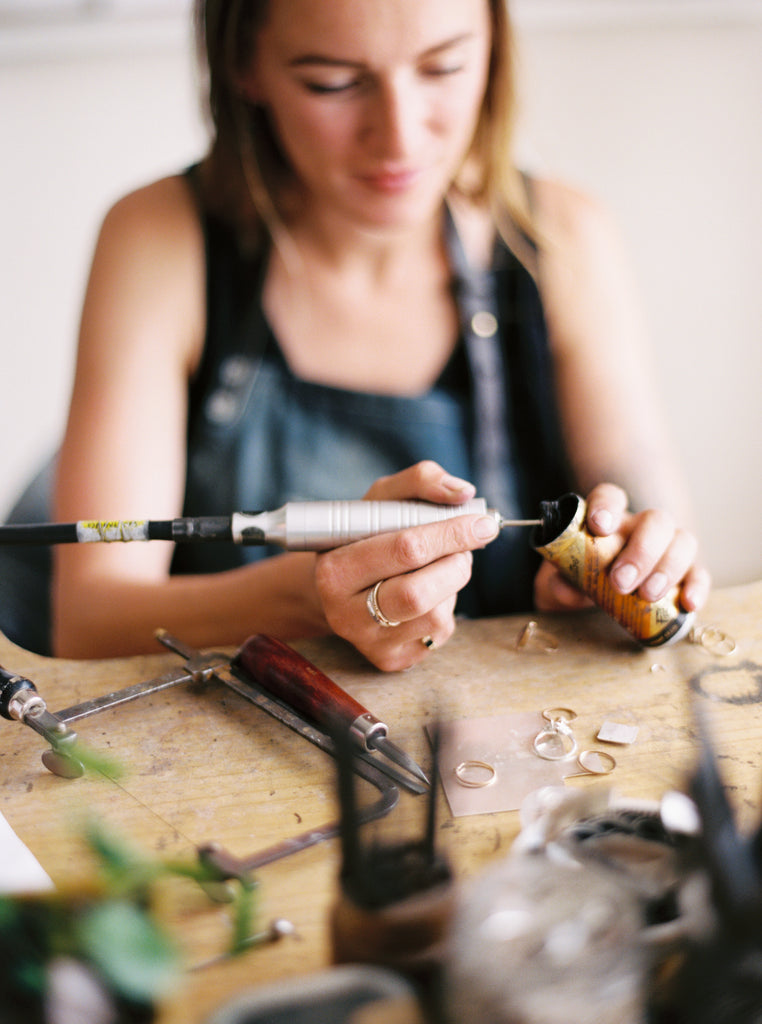
Exploring The Evolution Of Jewelry Making Through History

The art of jewelry design and fabrication has been around for centuries. 

Jewelry documents the culture and beliefs of each era, creating timeless pieces. 

People have worn jewelry for functional and decorative purposes for millennia. Over time, jewelry became more elaborate and was often used to signify status or wealth. 

Let's explore the history of jewelry-making and its evolution from ancient to modern times. 

We'll also discuss why preserving these traditional jewelry-making methods is essential.

History and Evolution of Jewelry-Making Techniques 

Jewelry techniques and materials have changed over the centuries. These changes are often in response to changes in fashion or technology.

Let's take a look at a few of the significant advancements in jewelry designing and making: 

  • In China, evidence dates back to around 5000 BCE. Women wore silver and blue stones to show their status. Men and women also wore earrings for everyday wear. 
  • The Indus Valley Civilization traded stone beads for other goods. Metal was used in 1500 BCE in jewelry, such as forehead bands, chokers, and brooches.
  • India is said to be the first country to mine diamonds in 300 BCE. Unlike the Egyptians, they passed it down within their family upon death.
  • In 1400 BCE, the traditional jewelry-making methods in Greece used gemstones and gold. They also perfected casting and hammering techniques. 
  • Romans borrowed techniques and styles from other cultures. Women wore necklaces, rings, and earrings to decorate themselves, while Roman men wore rings.
  • Exploration and artistic achievements advanced the jewelry-making styles of the Renaissance period. This made jewelry a popular part of everyday attire. 
  • To maximize the brilliance of diamonds, jewelry makers created prong settings during the 18th century.
  • Mass production of jewelry and simulated gemstones became commonplace during the Industrial Revolution. 

There is a renewed interest in handmade jewelry created with traditional jewelry-making methods. 

Many modern jewelry-making techniques combine old-fashioned methods to create unique and beautiful pieces.

Why We Need To Preserve the Art of Jewelry Making

Preserving the art of jewelry designing and making is crucial. It's a skill that requires a deep understanding of materials, tools, and techniques. 

Making jewelry requires a keen eye for detail, a mastery of traditional techniques, and the ability to adapt to new technology.

Beyond the technical aspects, the art of jewelry making is an important cultural heritage that deserves to be preserved and celebrated. 

Jewelry designing and making is a testament to human ingenuity and creativity. It represents an integral part of our shared cultural history.


Express Your Individuality with Young in the Mountains Jewelry

Young in the Mountains seeks to make a difference in ethical and sustainable jewelry. Our education into the environmental effects of mining taught us that we are responsible for what happens in YITM’s name at every step of the supply chain.

Our commitment to creating high-quality jewelry with a low environmental impact is evident in our unique jewelry and our continued dedication to educating ourselves on all aspects of the mining and jewelry industries. 

Each piece allows you to represent your individuality and values with the details and intricacies only handmade jewelry can offer.

You can feel good knowing that the materials are responsibly sourced or recycled. Each piece is crafted with care and attention to detail by our team of artists in our Denver studio. 

From our collection of wearable everyday layering pieces to the most important jewelry purchase of your lifetime, your commitment rings, our jewelry reflects your values, style, and commitment to a better world.
FACEBOOK
Share on Facebook
PINTEREST
Pin on Pinterest
EMAIL
Send email

More Posts

ALL POSTS
Ruby vs. Sapphire: Same Mineral, Different Story—Starring the Treasures of Montana

06/18/2025

Ruby vs. Sapphire: Same Mineral, Different Story—Starring the Treasures of Montana

READ MORE
Precision Crafted: Geometric Cut Gemstones

05/25/2025

Precision Crafted: Geometric Cut Gemstones

READ MORE
Redefining Commitment: How Sustainable Wedding Rings Are Shaping the Future of Love

05/25/2025

Redefining Commitment: How Sustainable Wedding Rings Are Shaping the Future of Love

READ MORE
Why Your Gold Ring Turns Your Finger Green—And What Sunscreen Has to Do With It

05/25/2025

Why Your Gold Ring Turns Your Finger Green—And What Sunscreen Has to Do With It

READ MORE

Invalid Password
Enter

Keep in touch

Updates, New Releases & Sales

Help

  • FAQs
  • Warranty
  • Resize & Repair
  • Terms Of Service

Education

  • Journal
  • Jewelry Care


    Illustration of brush in a cup for jewelry care

    Cleaning Your YITM Jewelry

    Gold, Diamonds & Sapphires
    These materials are the most durable and easiest to clean. Use warm water, a small amount of mild dish soap, and a soft toothbrush to gently remove buildup. Rinse thoroughly and dry with a soft, lint-free cloth. Avoid harsh chemicals, and abrasive materials. Jewelry with exclusively gold and diamonds or sapphires can go in ultrasonic cleaners. The gold parts of the jewelry can be shined with the polishing cloth included in all YITM orders. 

    Inlay Jewelry
    Inlay pieces require special care. Do not soak or submerge in water. Do not put in an ultrasonic machine. Clean gently with a soft, dry cloth only. Moisture and chemicals can occasionally change the color composition of soft turquoise and variscite stones. Remove when applying lotion, oil, cleaning or swimming. The gold parts of the jewelry can be cleaned with the polishing cloth included in all YITM orders. 

    Sunstones, Tourmaline, Topaz, Garnet, Amethyst or Peridot
    These stones are more delicate. We do not use them in rings for this reason. If these stones are in your other YITM styles, do not use ultrasonic cleaners, steam, or harsh cleaners. Wipe gently with a soft, slightly damp cloth if needed, then dry immediately. The gold parts of the jewelry can be cleaned with the polishing cloth included in all YITM orders. 


    Storage & Long-Term Care

    Store each piece separately to prevent scratching, ideally in a soft pouch or lined jewelry box. Keep jewelry away from humidity, extreme temperatures, and direct sunlight. Periodic professional inspections are recommended for rings worn regularly.

    For everyday, forever wear, we recommend a simple pure gold band. Our inlay and accent jewelry is best worn as the occasion permits. Please visit our FAQ page for more detailed care guidance.

  • Heirloom Renovation
  • Ring Crown Try On
  • Buying Guide

Find us

  • Contact
  • Retailers
  • Instagram
  • Pinterest
  • Appointments

Company

  • Our story
  • Ethics
  • Gift cards
  • Customer stories
  • Copyright 2026 Young in the Mountains

Shopping Bag

sub total $0.00

CONFIDENT PURCHASE

To ensure your expectations are in alignment with our studio practices, please read the CONFIDENT PURCHASE FAQ

Continue Shopping Go to checkout

Your cart is empty

Continue Shopping

Sentimental Information

We love hearing your stories! This helps us connect with you while we are crafting your piece. It makes you real to us. The power of jewelry is to connect us, to make us remember, and honor an experience. This beauty we create is not surface deep, our jewelry is here to add sentiment into our daily lives. Please, oh please, give us a few words about you, and your story. It will make our hearts full!

Skip this step and take me to checkout
back