Karat vs. Color: Understanding the Differences in Gold Jewelry
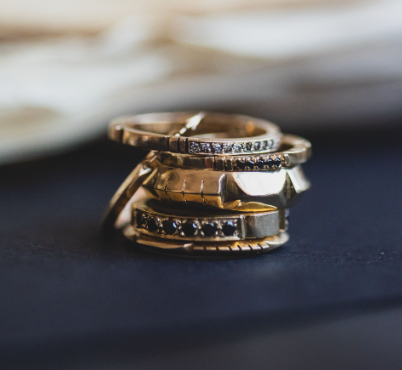
Gold is one of the most precious and versatile metals in the world. It has been used for centuries for jewelry, coins, art, and more.
But did you know that not all gold jewelry is the same? In fact, different types of gold vary in purity, color, and value.
Come along as we explore the difference between the karat and the color of gold, two important factors that affect the quality and appearance of gold pieces.
What is Gold Color?
The color of gold refers to the hue or shade of gold that you see. It's determined by the composition of the gold alloy, which is a mixture of pure gold and other metals.
Pure gold is naturally yellow but can be alloyed with other metals to create different colors. For example, adding copper to gold creates a rose or pink color, while silver or palladium can create a white gold color.
Yellow, white, and rose are the most common gold colors. However, creating green, blue, black, or purple gold colors is possible.
What is a Gold Karat?
Gold karat refers to the measure of purity or fineness of gold. It indicates how much pure gold is present in a gold piece compared to other metals.
An alloy with a higher karat number contains more pure gold.
The karat scale ranges from 1 to 24, where 24 karats (24K) means 100% pure gold.
But pure gold is very soft and malleable, making it unsuitable for most jewelry. Thus, most gold jewelry is made of lower-karat alloys that are more durable and practical.
Karat is not to be confused with the other jewelry term, carat. Carat is a measurement of weight and is used to measure the weight of gemstones. Gold would be measured in grams.
The Most Common Gold Karat and Their Properties
The most commonly used gold karat for jewelry making is 14K and 18K. Let's compare them to determine the difference between 14K and 18k gold.
|
Property |
14K gold |
18K gold |
|
Purity |
58.3% pure gold |
75% pure gold |
|
Color |
Less yellow than 18K as other metals more dilute it |
More yellow than 14K as other metals less dilute it |
|
Hardness |
Harder than 18K |
Softer than 14K |
|
Price |
Less expensive than 18K due to the lower gold content |
More expensive than 14K due to the higher gold content |
|
Allergies |
More likely to cause allergic reactions due to the higher nickel content |
Less likely to cause allergic reactions due to the lower nickel content |
Comparing Gold Karats and Colors
Now that you know the difference between the karat and the color of gold, how do they affect each other? Can you have any karat with any color? And which combinations are the most popular and desirable?
The answer is, technically, no, you can't have any karat with any color of gold.
As karat refers to the amount of gold in the piece, a 24K gold piece can only be yellow as it's 100% pure gold.
Here are a few karat and color combination examples.
- Yellow gold is available in all karats, from 10K to 24K. Remember, the higher the karat, the more yellow the gold will appear.
- White gold is usually available in 10K, 14K, and 18K. But white gold is not naturally white - it is a pale yellow color plated with a thin layer of rhodium, a white metal. The rhodium plating gives white gold its bright and shiny appearance. Unfortunately, it wears off over time and needs to be reapplied periodically.
- Rose gold is usually available in 10K, 14K, and 18K. Yet, rose gold is not naturally rose - it is a reddish-yellow color created by adding more copper to the gold alloy.
How to Care for Gold Jewelry
Although gold jewelry is durable and long-lasting, it needs proper care and maintenance to keep its shine and beauty.
- Store your gold jewelry in a soft cloth or pouch or in a separate compartment in your jewelry box. This will prevent it from getting scratched or tangled with other pieces.
- Clean your gold jewelry regularly with a mild soap and water solution or a special gold cleaner. Use a soft cloth or brush to gently wipe away dirt or dust.
- Avoid exposing your gold jewelry to harsh chemicals like chlorine, bleach, or ammonia. These can damage the gold and cause it to lose its color or luster.
- Have your gold jewelry checked and repaired by a professional jeweler if it has any signs of damage, such as cracks, dents, loose stones, or broken clasps.
Tips for Selecting the Right Gold Piece
Gold jewelry is a timeless and versatile accessory that can suit any occasion and style. However, with so many options available, how do you choose the right gold piece for yourself or as a gift for someone else? Here are some tips to help you decide.
Skin tone and personal preference vs. the color of gold.
Generally speaking, yellow gold suits warm skin tones, while white gold suits cool skin tones. Rose gold can flatter both warm and cool skin tones.
Most importantly, choose the color that you like and feel comfortable wearing.
Budget and lifestyle vs. the karat of gold.
The higher-karat gold is more expensive and purer but also softer and more prone to damage. Lower-karat gold is cheaper and more durable but less pure and more likely to cause allergies.
Choose the karat that suits your needs and expectations.
Design and style vs. size and shape.
Simple and classic designs suit smaller and finer pieces, while intricate and modern designs suit larger and bolder pieces.
Choose a piece that matches your personality and taste.
If you are looking for some beautiful and unique gold pieces to add to your collection or to gift to someone special, visit Young In The Mountains.
Our pieces are handcrafted and ethically sourced gold jewelry that celebrates nature and artistry. All of our gold is reclaimed and we are excited to offer Fairmined gold upon request.