The Age-Old Debate: Which is More Rare, Diamonds or Sapphires?
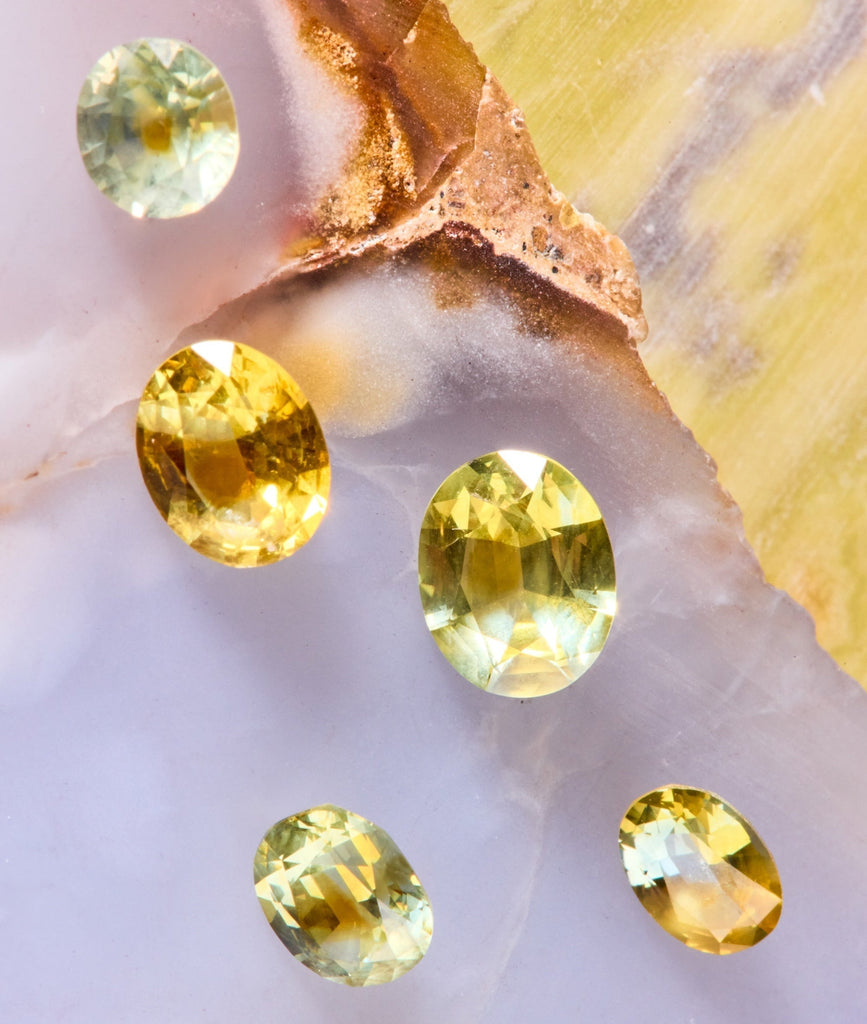
We pride ourselves on the most unique and ethical diamonds & Montana sapphries!
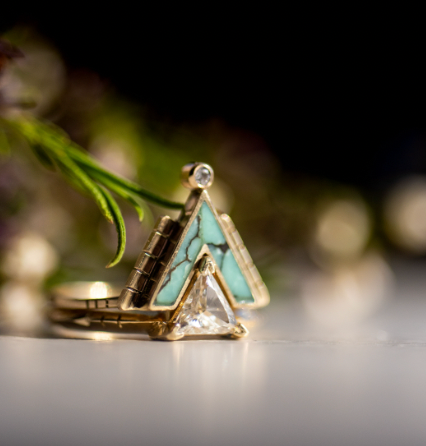
When it comes to precious gemstones, few are as highly sought after as diamonds and sapphires. Both are known for their beauty, durability, and rarity, but the diamond tends to be the most popular and are touted as rare. But is it true? are diamonds more rare then sapphires or is it the other way around?
Gemstone enthusiasts have debated this question for years.
Today, we're exploring the factors determining gemstone rarity to settle this argument once and for all.
Join us as we delve into the world of precious gemstones and uncover the truth behind the rarity of sapphires and diamonds.
Understanding Rarity in Gemstones
Rarity is a significant factor in determining the value and price of gemstones like diamonds and sapphires.
It refers to how scarce a gemstone is and how difficult it is to find, mine, and process. Generally speaking, the rarer a gemstone, the more expensive it is.
However, it is not the only factor influencing the value and price of gemstones.
Other factors include beauty, durability, demand, and market conditions. For example, a rare but not very attractive or durable gemstone may not be valuable or expensive. On the other hand, a common gemstone that's beautiful or durable may be very valuable.
So, when comparing the value of rare gemstones like diamonds and sapphires, we look beyond their rarity in nature and at their quality, color, size, and shape.
Rarity of Diamonds
Not all diamonds are equally rare or valuable. The most valuable diamonds are normally colorless with high clarity.
Diamonds are graded according to the 4Cs (color, clarity, cut, and carat weight), a standardized system to evaluate their quality and value.
- Colorless diamonds are graded on a scale from D (the most colorless) to Z (the most yellow or brown) – the less color, the rarer and more expensive. However, there are also "fancy colored diamonds", including pink, red, black, green, or blue stones, which are extremely rare and valuable.
- Clarity refers to how clear a diamond is from any flaws that can affect its brilliance and sparkle. The clearer, the rarer and more expensive it is.
- Cut refers to how well a diamond has been shaped and polished. It affects how well a diamond reflects light and creates fire (flashes of color) and scintillation (sparkle). The better the cut, the more beautiful and valuable.
- Carat weight refers to how much a diamond weighs in metric carats (one carat equals 0.2 grams).
Meet Some of the Rarest Diamonds
The Hope Diamond
The largest blue diamond in the world, originally 112 carats. However, after a sinister past, including gambling addiction, madness, murder, death, poverty, and the French Revolution, the ironically named "Hope" diamond is believed to be cursed. It's been recut several times to its now 45.52 carats and at display at the Smithsonian Institution.
The Cullinan
The largest rough diamond ever found, originally weighing 3,106.75 carats. It was discovered in South Africa in 1905 and presented to King Edward VII. The diamond was cut into 96 smaller stones and nine major ones, two of which are part of the British Crown Jewels.
The Pink Star
The most expensive diamond ever sold at an auction. It sold for $71.2 million in 2017. It is a 59.6-carat vivid pink diamond with an oval shape and an internally flawless clarity grade.
The Golden Jubilee
The world's largest faceted (flat surfaces arranged in a geometrical pattern) diamond, weighing 545.67 carats. It took two years to cut. The stone has a goldish, brown hue and was discovered in South Africa in 1985. In 1997, it was presented to the King of Thailand for his Golden Jubilee.
Rarity of Sapphires
Sapphires' rarity varies depending on the type and color of the stone.
The most common sapphire color is blue, but they can also be pink, purple, yellow, green, orange, white, black, and even colorless.
The most valuable sapphires are vivid in color and have good transparency (allowing light to pass through). These sapphires are graded according to their:
- Hue (the basic color)
- Saturation (the intensity or purity of the color)
- Tone (the lightness or darkness of the color)
- Cut (the shape and polish)
- Clarity (the presence or absence of flaws or inclusions)
- Carat weight (the size)
- Origin (geographical source)
- Treatment (the enhancement or alteration by heat or other methods)
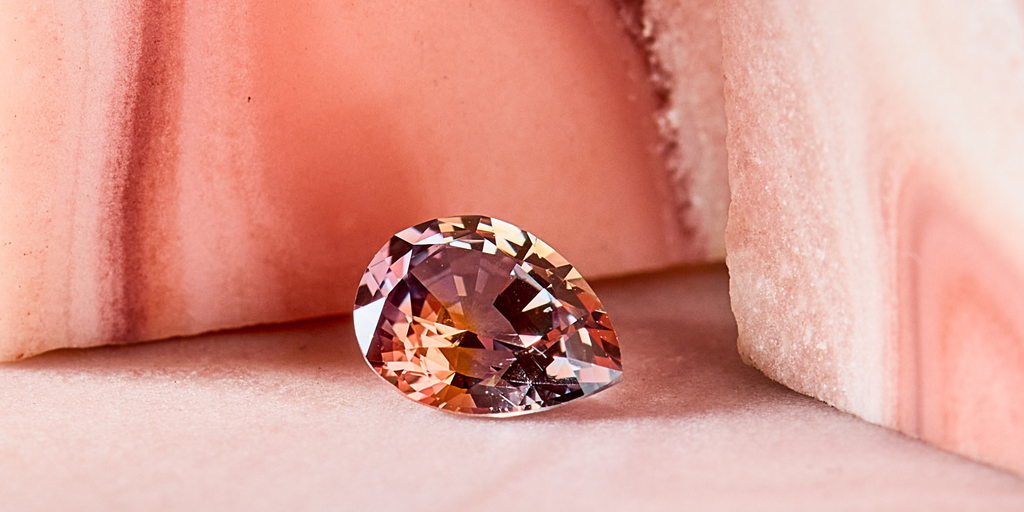
The rarest and most expensive type of sapphire is called padparadscha, which has an orange-pink color that resembles a lotus flower. They command very high prices due to their scarcity and beauty.
Meet Some of the Rarest Sapphires
The Star of Adam
A relatively new discovery, founded in 2016, it's the world's largest blue star sapphire, weighing 1,404.49 carats. It's privately owned and valued at $300 million.
The Black Star of Queensland
Discovered in the 1930s, this beauty was originally used as a doorstop before being discovered for what it really was. After being cut and polished, the stone weighed a whooping 733 carats.
The Blue Belle of Asia
The most expensive sapphire ever sold at a public auction for $17.3 million in 2014. It is a 392.52-carat cushion-shaped Ceylon sapphire with an exceptional cornflower blue color and excellent transparency.
The Blue Giant of the Orient
A 486-carat blue sapphire that is the largest faceted sapphire in the world. Surrounded by mystery, the stone was discovered in Sri Lanka in 1907 and bought by an American collector, then disappeared from the public's eye for almost 100 years. It resurfaced in 2004 and was sold to an anonymous buyer for $1 million.
Comparing the Rarity between Diamonds and Sapphires
So, which gemstone is rarer: diamonds or sapphires? The answer depends on what kind of diamonds and sapphires we are comparing.
All diamonds vs. all sapphires, regardless of quality or color.
Diamonds are rarer than sapphires, accounting for only 1% of global gemstone production by weight.
High-quality diamonds vs. high-quality sapphires.
Sapphires may be rarer than diamonds because they have more color and quality variations. For example, a flawless D-color diamond may be more common than a flawless padparadscha sapphire.
Fancy-colored diamonds vs. fancy-colored sapphires.
Diamonds may be rarer than sapphires because they have fewer natural colors. For example, a pink diamond may be rarer than a pink sapphire.
Geologialy
Sapphires occur more rarely in the earth then diamonds, so if we are compaing based on origin, sapphires are truly the more rare stone!
Therefore, the rarity of diamonds and sapphires depends on how we define and measure them.
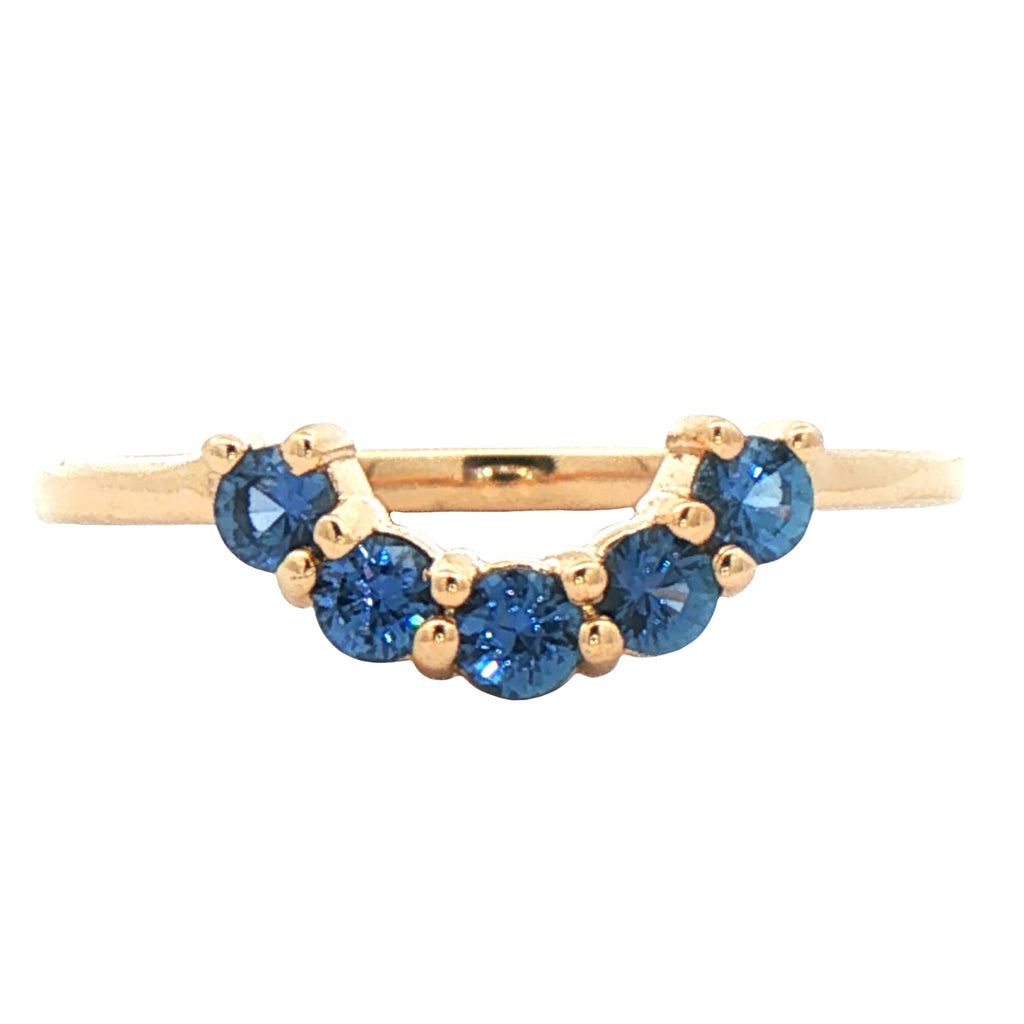
Both gemstones have unique characteristics and appeal that make them valuable and desirable. Our montana sapphires are sourced direct from USA miners making them the best choice if your comparing ethics of the gemstone.
Whether you prefer diamonds or sapphires for your next jewelry purchase, you can be sure that you are getting a precious and exquisite gemstone that will last for generations.
If you are in the market for a beautiful jewelry piece containing an ethically sourced gemstone of the highest quality, visit Young In The Mountains!