Emerald or Montana Sapphire? Choosing a Colored Gemstone for Everyday Wear
If it’s the green of an emerald you love, which shade are you picturing? From pale sage to deep pine, Montana sapphires offer a whole palette of greens. Mariele Ivy shares why their color and durability make them her favorite choice for an engagement ring you’ll wear every day.
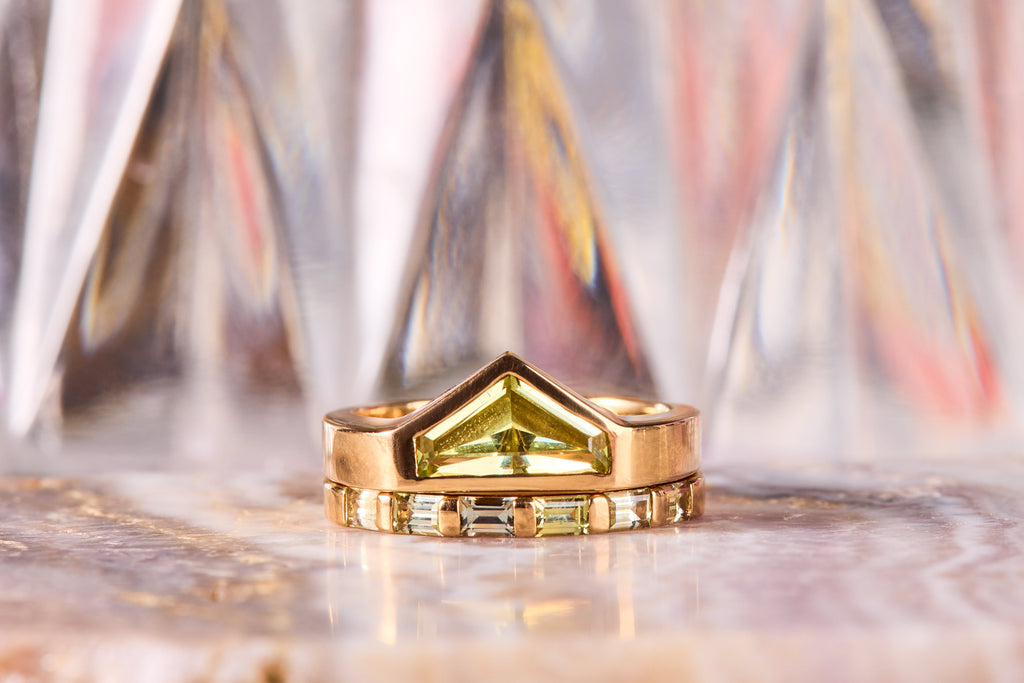
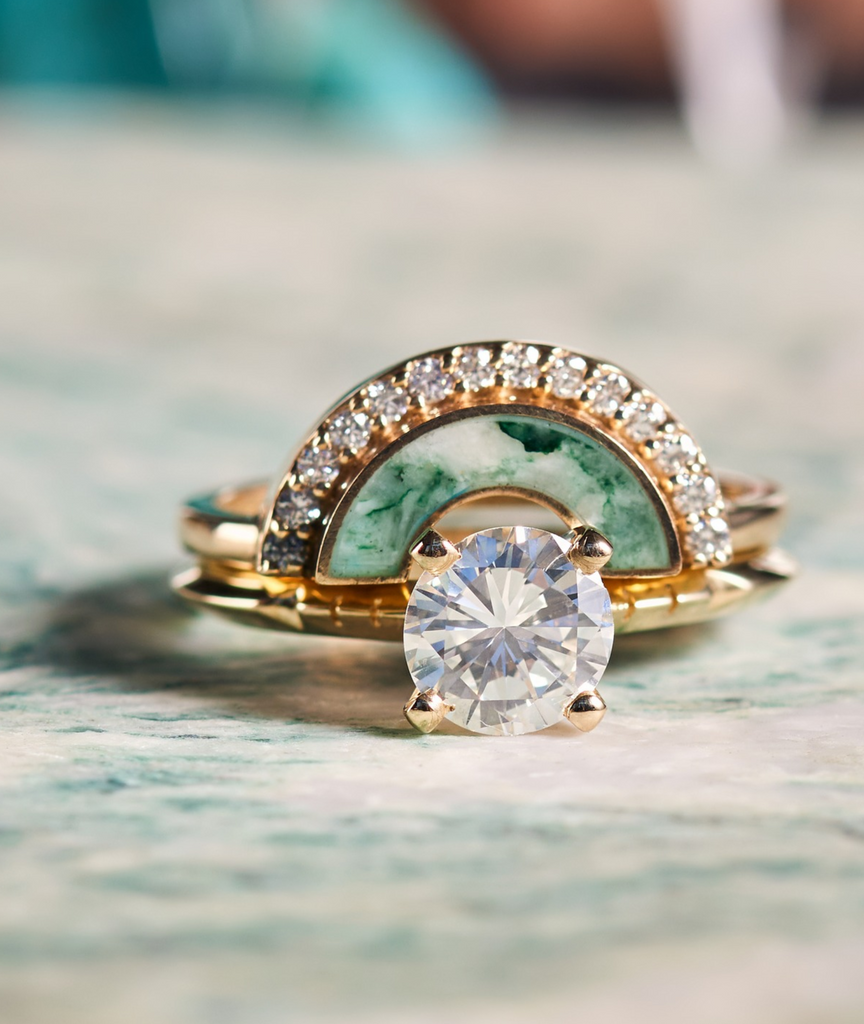
When someone tells me they want an emerald engagement ring, my first question is, “What shade of green are you picturing?” Sometimes it’s the rich, vivid green of an emerald. Other times they describe pine needles, pale sage, or a deep green with a little blue in it. That’s when I love to introduce Montana sapphires.
At Young In The Mountains, Montana sapphire is our first choice for a colored gemstone you plan to wear every day. It holds up beautifully in an engagement ring, comes in an extraordinary range of colors, and gives us the opportunity to work with American-mined stones whose origins we know.
Why I rarely recommend emeralds for an everyday ring
An emerald can last for generations with the right care. What gives me pause is how much we ask of a ring compared with a pendant or a pair of earrings. Think of how often your hand meets a metal door handle or bumps the edge of a stone countertop. A center stone takes some of those knocks along with you.
Two qualities matter here. Hardness describes how well a gem resists scratches. Toughness describes how well it resists chipping or breaking. Emerald ranks 7.5 to 8 on the Mohs hardness scale, but its toughness is only fair to good. Many emeralds also have small fractures that reach the surface. Jewelers often encounter emeralds treated with oil or resin to make those fractures less visible, which means heat, steam, and ultrasonic cleaning require particular caution.
If emerald is the exact green you love, I especially like it in a pendant, where it sits close to you and away from most accidental knocks. For an engagement ring you’ll reach for every morning, I we celebrate with Montana sapphires.
What makes a Montana sapphire so wearable?
Montana sapphire ranks 9 on the Mohs scale, so its polished facets resist the scratches that can dull a stone over years of wear. It also has excellent toughness and no cleavage, the term for a natural plane along which a crystal tends to split. Together, those qualities make it an especially good choice for a ring. I’d still take it off before lifting weights or moving furniture, but I’d feel comfortable wearing it through an ordinary day.
The best reason to choose Montana might be the color
I grew up visiting Rock Creek in Montana, and today it’s the deposit we turn to most often for our sapphires. When I lay out a few green stones in our Boulder studio, the differences are easier to see. One is a crisp lichen green. Another is dark enough to remind me of pine. A third has a band of blue running through the green. That last one is a parti-color sapphire, meaning more than one color is visible in the same stone.
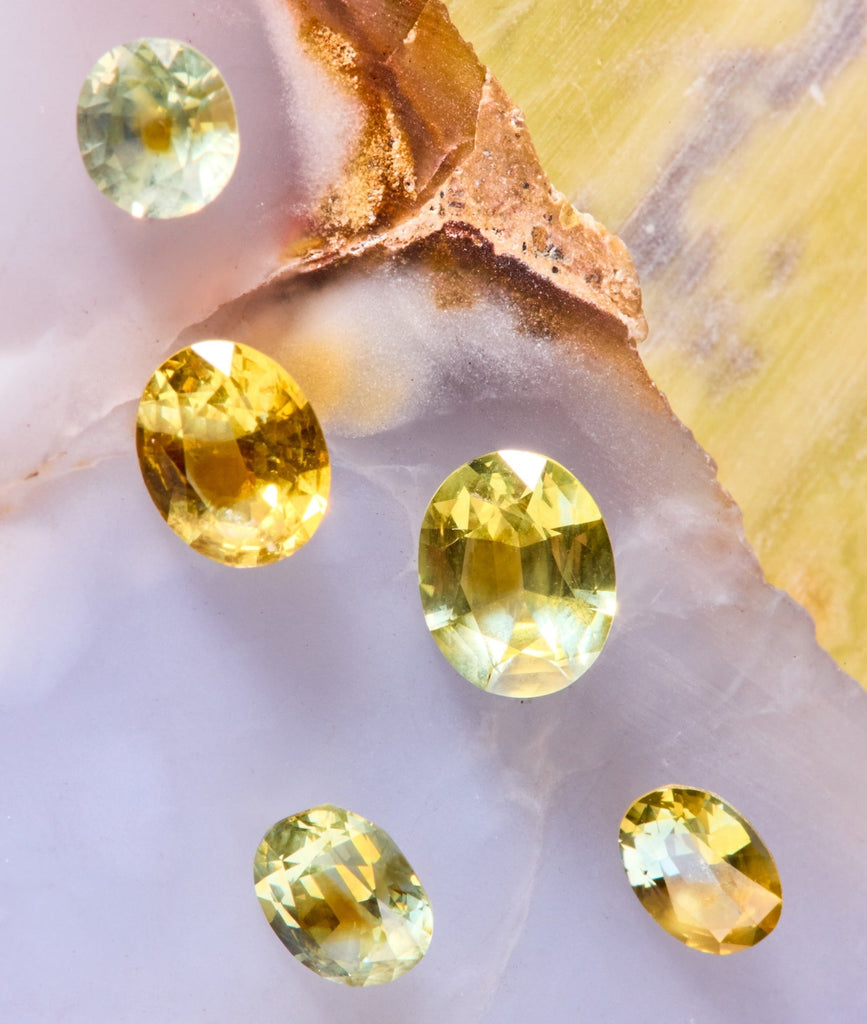
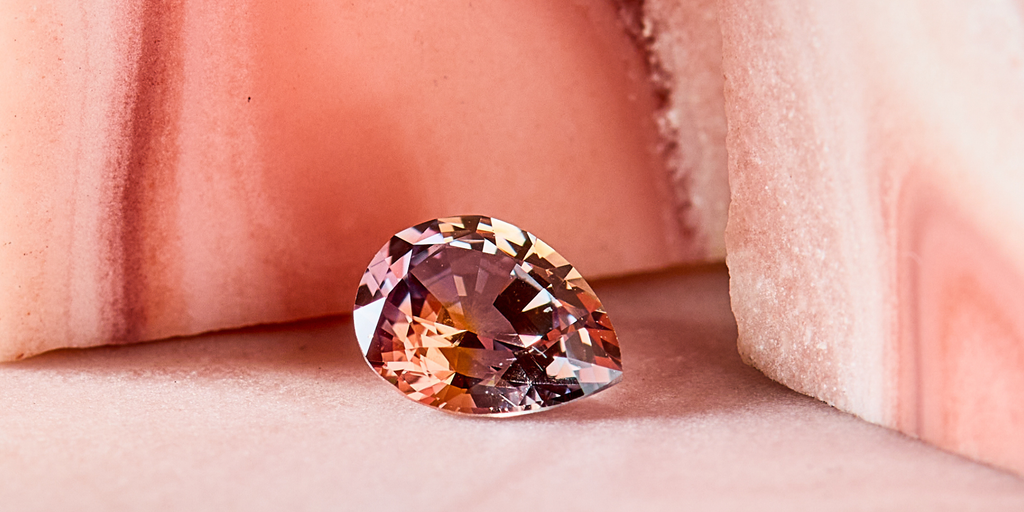
Green is only one corner of the Montana palette. If you’re drawn to a quieter color, there are pale blues and soft greens. If you want something warmer against yellow gold, Montana also produces yellow, orange, and pink sapphires. You can start with the shade you love and still choose a stone suited to daily wear.
When we choose a center stone together, I like to look at it both by the window and away from it. Which green still catches your eye? Which one feels at home on your hand? I can recommend Montana sapphires with confidence for everyday wear, and we can spend the rest of our time on the best part: finding your color.
Mariele Ivy
Founder and Designer, Young In The Mountains